Retro One Hip Teacher Easter Day SVG Review
As a designer who spends more time than I care to admit staring at stitch density maps and testing thread tension, I approach every new embroidery file with a mix of excitement and skepticism. The market is flooded with generic graphics, but finding something that balances personality with technical feasibility is rare. Today, I am putting the Retro One Hip Teacher Easter Day SVG through its paces to see if it belongs in my commercial arsenal or just on my desktop.
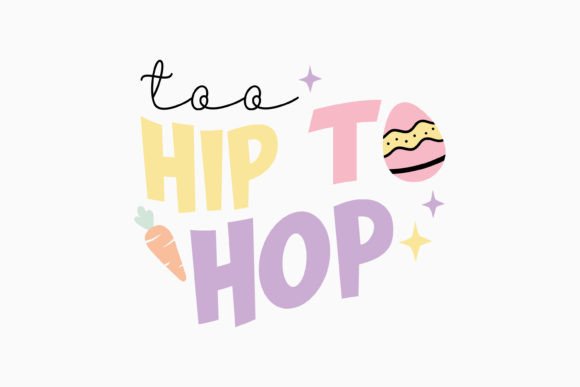
My first impression of this design is one of immediate nostalgia. It captures that specific "cool teacher" vibe without trying too hard. The retro aesthetic suggests warmth and approachability, which translates perfectly into a handmade product. When I look at the layout, I don't see a chaotic mess of vector lines; I see a clear visual hierarchy that respects the limitations of machine embroidery. For an embroidery project targeting educators, parents, or anyone celebrating spring, this design hits the right emotional note immediately.
From Digital File to Finished Product: A Real-World Scenario
Let's imagine a real scenario where I would use this asset. I am preparing for the upcoming holiday season and need a unique item for a boutique client who sells custom gifts for teachers. I decide to create a line of embroidered tote bags featuring seasonal themes. The Retro One Hip Teacher Easter Day SVG fits the brief perfectly. It is not just a clip art image; it feels like a brand element.
In this context, the design allows me to create a high-value handmade product. Instead of slapping a generic "Happy Easter" text on a canvas bag, I can use this design to tell a story. The "hip" aspect of the title implies a modern twist on traditional motifs, which appeals to the Etsy seller demographic looking for trendy yet timeless items. If I were stitching this onto a sweatshirt for a small shop product, the design would stand out against a solid color background, offering a professional finish that elevates the perceived value of the garment.
The versatility here is key. While I started thinking about a tote bag, the same design could easily transition to a baby onesie for a nursery decor collection or even a kitchen towel for a holiday gift set. The ability to change colors means I can adapt the thread colors to match any brand palette. Whether I need pastel tones for a soft baby item or bold, vibrant hues for a statement piece of custom apparel, the source files allow for that flexibility.
Technical Performance and Stitch Clarity
When evaluating a machine embroidery design, the devil is always in the details. This design appears to utilize a mix of stitch types effectively. The outlines likely rely on a clean satin stitch to define the edges, giving the design a crisp appearance that prevents fraying on woven fabrics. The interior areas probably employ fill stitches or running stitches to add texture without overwhelming the fabric.
However, not all designs are created equal. In my experience, retro styles often suffer from overly thin lines that disappear when stitched. I have to assume that for this specific Retro One Hip Teacher Easter Day SVG, the line weights are substantial enough to hold up under the pressure of the needle. If the lines are too fine, they will break down on textured fabrics or stretchy materials like jersey knits. For best results, I would recommend using a stabilizer that matches the weight of the fabric—cut-away for stretchy garments like caps or hats, and tear-away for stable fabrics like aprons or pillow covers.
One critical factor is the hoop size. If the design includes intricate lettering or tiny decorative accents, it might struggle in a smaller hoop, leading to distortion. Before committing to a large production run, I always advise testing the design on scrap fabric first. This step is non-negotiable. You need to verify that the stitch density isn't so high that it puckers the material, especially if you are working with thin fabric or delicate blends.
Where Caution is Required
While this design has strong potential, there are scenarios where it might not perform as well. Small hoop sizes are a common pitfall. If you attempt to stitch a detailed version of this graphic on a very small surface area, the details may merge together, losing the "retro" charm and becoming a muddy blob. Similarly, if you plan to use this for an embroidered patch intended for frequent washing, you must ensure the design does not have loose threads that could snag.
Dense stitch areas can also be problematic on dark fabrics. Unless you use a high-quality underlay or a specific backing method, the contrast might get lost, making the design appear flat. Curved surfaces, such as baseball caps or beanies, require careful digitizing adjustments to account for the curvature. A design that looks perfect on a flat mockup might distort when wrapped around a curve if the angle of the stitches isn't adjusted correctly.
Furthermore, if you are a craft business owner selling these items, consider the longevity of the print. Designs with tiny lettering or extremely fine lines are harder to read after multiple wash cycles. Always inspect the small details before finalizing your order. If the design relies on a single color for a crucial element, changing the thread color might affect the visibility of that detail. Testing in black and white mockups is a smart trick to check contrast levels before spending money on thread.
Impact on Brand and Customer Trust
In the world of digital product sellers and creative entrepreneurs, the quality of your design assets directly impacts customer trust. A sloppy stitch job or a design that looks pixelated in the finished product can ruin a reputation built over years. The Retro One Hip Teacher Easter Day SVG, if executed correctly, signals professionalism. It shows that you care about the details, which resonates with buyers looking for personalized gifts.
This design works exceptionally well for branding consistency. If you are building a boutique brand around teacher appreciation or holiday themes, having a cohesive look across different products—like matching tote bags, mugs, and shirts—creates a strong visual identity. The 300dpi resolution mentioned in the specs ensures that your printable mockups look sharp on social media and online listings, which is crucial for engaging buyers on platforms like Etsy.
For those interested in commercial embroidery projects, the inclusion of source files (EPS or SVG) is a massive plus. It means you aren't locked into a rigid format. You can manipulate the design, scale it, or combine it with other elements to create unique variations. However, remember to confirm licensing terms before selling finished items or distributing digital products. Some licenses restrict commercial use, while others allow it freely. Always read the fine print to protect your craft business.
Final Thoughts for the Practical Designer
The Retro One Hip Teacher Easter Day SVG stands out as a versatile tool for anyone in the Crafts and Graphics space who values practicality over hype. It offers a nostalgic mood that fits well with spring and educational themes, provided the technical execution meets the standards of your specific project. Whether you are creating a holiday gift for a friend or launching a new line of apparel decorators merchandise, this design has the potential to be a winner.
To get the most out of it, treat it as a starting point. Test it on various fabrics, adjust the thread colors to suit your palette, and always prioritize the stability of the stitch work. By doing so, you transform a simple digital file into a tangible, high-quality finished product that customers will cherish. In a sea of generic designs, taking the time to evaluate and refine your assets is what separates a hobbyist from a pro.