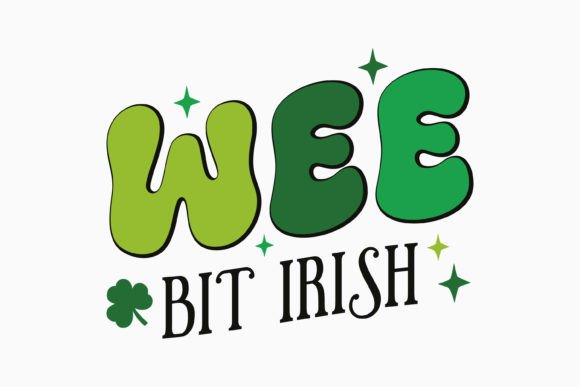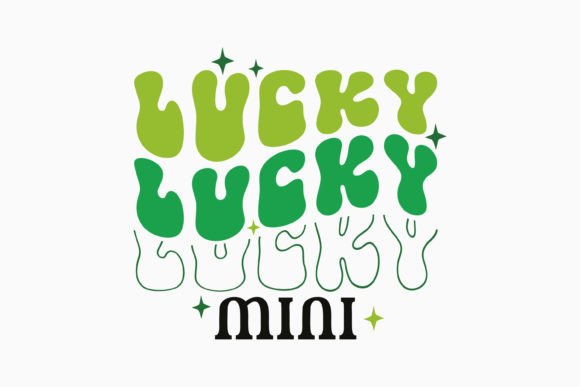
Retro Lucky Mini St. Patricks Day SVG Review
As a designer who has spent years navigating the intricate world of machine embroidery, I know that finding a design that balances nostalgia with technical feasibility is no small feat. When I first laid eyes on the Retro Lucky Mini St. Patricks Day SVG, my initial reaction was one of cautious optimism. The aesthetic screams vintage charm, evoking a sense of playful luck and classic holiday spirit that feels far more curated than generic clip art. However, in the realm of embroidery project execution, visual appeal is only half the battle. The real question is how this digital asset translates into a tangible, high-quality finished product.
The First Impression: Mood and Visual Personality
The Retro Lucky Mini St. Patricks Day SVG captures a specific mood immediately. It isn't trying to be modern or hyper-realistic; instead, it leans into a nostalgic, slightly distressed look that works exceptionally well for handmade aesthetics. The layout is compact yet distinct, making it an ideal candidate for items where space is premium but impact is necessary. For a creative entrepreneur looking to add a touch of whimsy to their inventory, this design offers a strong brand identity without overwhelming the garment.
In terms of visual personality, the design feels approachable and friendly. It avoids the stiff, corporate feel often found in mass-produced holiday graphics. Instead, it suggests a story—a custom gift from a grandmother, a boutique item at a local craft fair, or a personalized apron for a home cook. This emotional connection is crucial for handmade product sellers who rely on storytelling to drive sales on platforms like Etsy. The retro styling allows it to stand out in a sea of bright green, standard shamrock designs, offering a unique selling proposition for small shop products.
Real-World Application: From Screen to Stitch
To truly understand the value of this file, I put myself in the shoes of a maker preparing for a busy season. Imagine you are crafting a line of custom embroidered tote bags for a spring market. You need something that pops against canvas but doesn't require hours of tedious digitizing work. The Retro Lucky Mini St. Patricks Day SVG fits this scenario perfectly. Its size and complexity suggest it would stitch beautifully on a sturdy tote bag, creating a focal point that customers can easily recognize and appreciate.
Consider another scenario: a sweatshirt embroidery project for a family reunion or a holiday party. The design's clean lines and moderate detail level mean it should hold up well on heavier fabrics like fleece or cotton blends. The "Mini" aspect of the title is key here; it implies a smaller footprint, which is excellent for left-chest placements or even baby embroidery on onesies and bonnets. A tiny, detailed design might get lost on a baby garment, but this retro style is bold enough to remain visible while remaining delicate enough not to overwhelm a small chest area.
For those dealing with commercial embroidery projects, such as branded patches or promotional caps, this design offers versatility. The ability to change colors easily is a significant advantage. Whether you are matching a client's brand colors or sticking to traditional greens and golds, the file structure supports these adjustments. This flexibility ensures that the final output remains consistent with your vision, whether you are producing a single personalized gift or a batch of fifty items.
Navigating Technical Challenges and Limitations
While the aesthetic is promising, every experienced designer knows that success lies in the details. There are specific situations where the Retro Lucky Mini St. Patricks Day SVG requires careful consideration. If you are working with small hoop sizes, you must verify that the fine details of the retro font or decorative elements will not become muddy when stitched. Tiny lettering can sometimes lose definition if the stitch density is too high or the thread count is insufficient.
Fabric texture plays a massive role in the final look. On textured fabrics like boucle or heavy denim, the design might behave differently than on smooth twill. Thin or stretchy fabrics present another challenge; without proper stabilization, the tension required for the fill stitches could cause puckering, ruining the professional appearance of the piece. Similarly, dark fabrics demand a strategic approach to underlay and thread selection to ensure the retro colors pop rather than getting swallowed by the background.
Curved surfaces, such as caps or hats, introduce their own set of variables. While the design is likely adaptable, the curvature can distort straight lines or rounded edges if the digitization wasn't optimized for 3D surfaces. For embroidered patch creation, the edge finish needs to be precise to prevent fraying over time, especially for items that will undergo frequent washing. If the design includes dense stitch areas, you must ensure the fabric can support the weight of the thread without distorting the material.
Impact on Brand Value and Customer Trust
The quality of your embroidery directly influences customer trust. A poorly executed design can make a craft business look amateurish, whereas a crisp, well-placed stitch job elevates the perceived value of the item. The Retro Lucky Mini St. Patricks Day SVG, when executed correctly, signals professionalism. It shows that you care about the nuance of your craft and have selected assets that enhance the product rather than detract from it.
For an Etsy seller or a digital product seller, using a design with a clear, cohesive style helps build brand consistency. Customers are more likely to return to a shop that offers a recognizable aesthetic. Furthermore, the "retro" theme adds a layer of uniqueness that can boost buyer engagement. In a crowded marketplace, a design that feels authentic and thoughtfully chosen stands out. It transforms a simple commodity into a piece of art, increasing the likelihood of positive reviews and repeat business.
Practical Designer Notes for Execution
Before you commit this design to your production line, there are essential steps any seasoned maker should take. First and foremost, test the design on scrap fabric. This is non-negotiable. You need to see how the satin stitch and fill stitch interact with your specific material and how the running stitch (if present) holds up under tension.
Review the stitch density carefully. If the design is too dense, it may be difficult to stitch through multiple layers or on thick materials. Conversely, if it is too sparse, it might lack durability. Confirm your hoop size matches the design dimensions to avoid unnecessary trimming or re-hooping. Inspect small details closely; sometimes what looks perfect on a screen becomes illegible when stitched. Test the design in black and white mockups to check contrast levels before committing to expensive threads.
Always use the proper stabilizer for your fabric type. A light fabric needs a different support system than a heavy canvas. Check whether the design works for both personal and commercial projects, and confirm licensing terms before selling finished items or distributing the digital file. Ensure you have the source files, typically EPS or SVG formats, to make any necessary adjustments. Finally, compare the design on light and dark backgrounds to ensure color visibility is maintained across your product line.
In conclusion, the Retro Lucky Mini St. Patricks Day SVG is a versatile and charming addition to any designer's toolkit. It bridges the gap between festive fun and practical application, making it suitable for everything from tote bag design to kitchen towel embroidery. By approaching it with the right technical preparation and a keen eye for detail, you can create stunning holiday embroidery pieces that delight customers and elevate your brand.