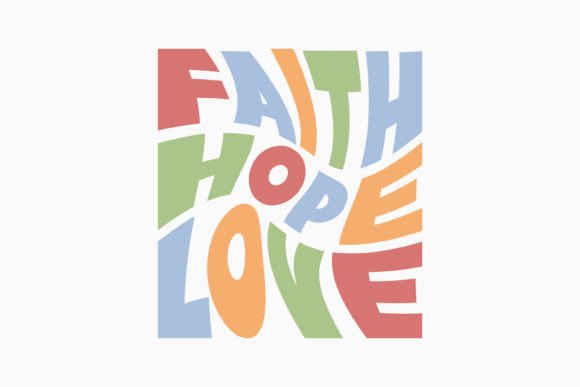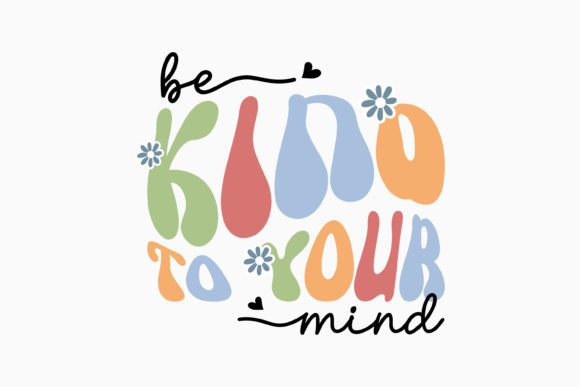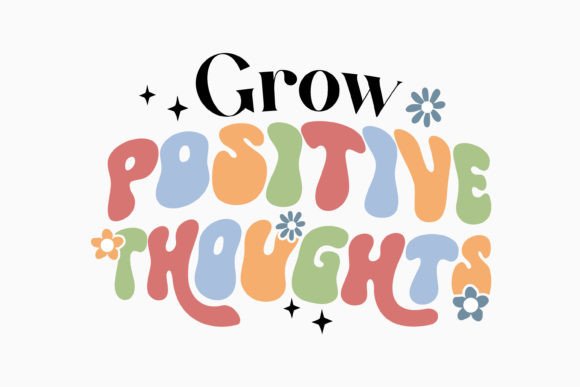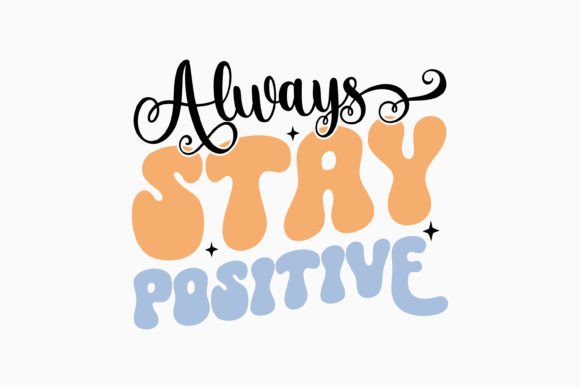
Every Little Thing Retro Mental Health Embroidery Review
In the world of craft business and handmade product creation, finding a design that balances aesthetic charm with practical stitchability is often the hardest part. I recently had the chance to evaluate a file titled Every Little Thing Retro Mental Health, categorized under Crafts and Graphics. As someone who has stitched thousands of designs for clients ranging from boutique owners to Etsy sellers, I approached this review not just as a download, but as a real-world test case for a potential bestseller.
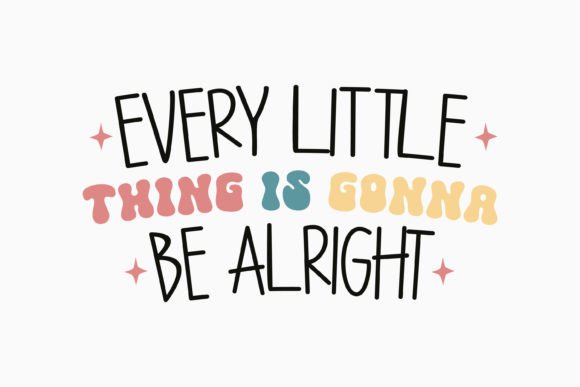
The first impression of Every Little Thing Retro Mental Health is one of immediate nostalgia. The retro styling evokes a specific era of graphic design that feels warm, approachable, and deeply human. In an embroidery market saturated with modern minimalism or overly complex floral arrangements, this design stands out because it speaks directly to the emotional needs of the wearer. It creates a mood that is comforting rather than demanding. When you look at the layout, the shape feels balanced, avoiding the cluttered look that often plagues text-heavy embroidery files. It naturally belongs in projects where personal expression is key, such as custom apparel, tote bags, or nursery decor.
Real-World Application: From File to Finished Product
To truly understand the value of this design, I imagined placing it on a few different products. Let's say you are preparing a custom embroidered sweatshirt for a holiday gift or creating a line of personalized gifts for a mental health awareness campaign. The Every Little Thing Retro Mental Health design would sit beautifully on the chest of a heather grey hoodie. The retro vibe pairs exceptionally well with vintage-washed fabrics, adding a layer of authenticity that machine stitching alone cannot achieve.
I also visualized this as a tote bag design for a small shop selling self-care kits. The text is legible enough to be read clearly even when the bag is folded or viewed from a distance, which is crucial for Etsy listings and craft fair displays. For a baby item, like a onesie or a blanket, the soft curves and friendly tone make it a safe choice that parents would appreciate. It transforms a simple piece of fabric into a statement of support. If used on a kitchen towel or apron, it adds a touch of humor and heart to a functional item, making it a perfect personalized gift for a friend starting a new chapter.
Technical Performance in Stitching
When moving from digital preview to actual machine embroidery design, several factors come into play. The description notes that the file includes source formats like EPS and SVG, which are essential for flexibility. One of the standout features mentioned is the ability to change colors easily. This is a game-changer for commercial embroidery projects where you might need to match thread colors to a client's brand palette or create variations for different garments.
The design likely utilizes a mix of satin stitches for the lettering and fill stitches for any graphical elements. For a successful outcome, the stitch density must be appropriate. If the design is too dense, it can pucker on lighter fabrics; if it is too sparse, it may lack definition on textured materials. Based on the retro style, I expect the lines to be clean, but it is vital to ensure that the running stitch or decorative accents do not get lost in the background weave of the fabric.
For those working with embroidery files that include color changes, the workflow is streamlined. You can prepare the thread colors in advance, reducing downtime during production. However, always verify the exact stitch count and file specifications before running a full batch. If the design requires a specific hoop size that exceeds your machine's capabilities, you may need to split the design, which can affect the alignment of the text. Always check these technical details against your specific equipment.
Where to Exercise Caution
No design is universal, and Every Little Thing Retro Mental Health has its limitations. While it shines on flat surfaces like t-shirts and tote bags, caution is advised when applying it to curved surfaces like caps or hats. The curvature can distort the perspective of the text, making it harder to read unless the design is specifically digitized for a cap block. Similarly, using this on thin or stretchy fabrics without proper stabilizer can lead to puckering, especially if the design covers a large area.
Small hoop sizes present another challenge. If the design contains intricate details or tiny lettering, shrinking it down to fit a 4x4 hoop might result in lost definition. The retro style relies on clear lines, so losing those edges can ruin the aesthetic. Additionally, on dark fabrics, the contrast is paramount. If the thread colors chosen do not pop against the background, the message gets lost. Always test the design in black and white mockups first to ensure the hierarchy of elements remains intact regardless of color.
Impact on Brand and Customer Trust
In the realm of handmade products, the quality of the embroidery directly influences customer trust. A sloppy stitch job can make a handmade product feel cheap, whereas a clean, well-placed design elevates the perceived value. Every Little Thing Retro Mental Health has the potential to boost brand consistency if used across a range of items. Imagine seeing this design on a patch, a pillow cover, and a printed mockup for a digital listing; the cohesive look builds recognition.
The theme of mental health resonates deeply with today's audience. Customers are looking for items that validate their feelings and offer a sense of community. By offering a high-quality finished product featuring this design, you are not just selling a garment; you are selling empathy and support. This emotional connection drives engagement and repeat business. Whether you are a small shop owner or a creative entrepreneur, presenting a polished version of this design shows professionalism and attention to detail.
Practical Designer Notes for Success
Before committing to a production run, I strongly recommend testing the design on scrap fabric first. This step is non-negotiable for professional results. Check how the fabric texture interacts with the stitches. Does the design hold up on a heavy cotton canvas? Does it look good on a soft fleece? Review the stitch density and adjust if necessary to prevent fabric distortion.
Ensure you have the correct stabilizer for the project. Heavy-duty cut-away stabilizers are often needed for items that will undergo frequent washing, while tear-away might suffice for lightweight totes. Confirm whether the design works for both personal and commercial projects by reviewing the licensing terms provided with the file. Selling finished items made from this design requires explicit permission, and ignoring this can lead to legal issues.
Finally, compare light and dark fabric backgrounds to see how the color palette shifts. The ability to change colors in the source file is a major asset, but it requires a keen eye for color theory. Use proper thread colors that complement the retro aesthetic without clashing. By following these steps, you ensure that every embroidery project involving Every Little Thing Retro Mental Health meets the highest standards of quality.
This design offers a unique blend of style and substance. It is more than just a graphic; it is a tool for creators to express meaningful messages through the tactile art of embroidery. With careful planning and execution, it can become a staple in your collection of design assets for years to come.